Dental Crowns for Seniors: Restoring Comfort and Confidence
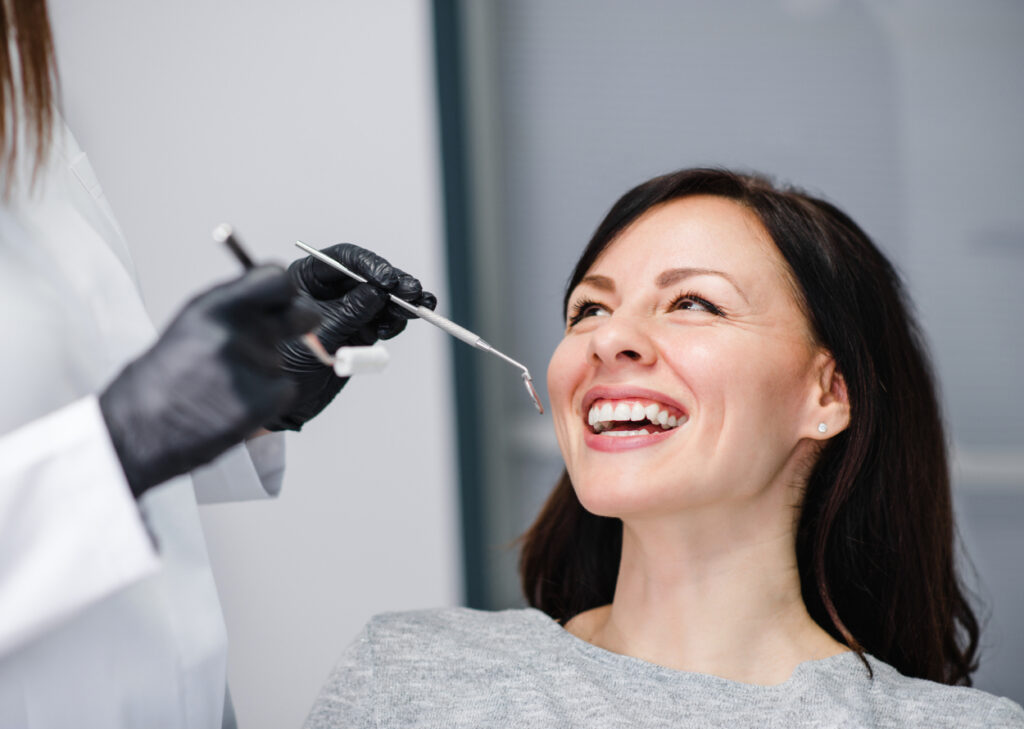
A healthy smile matters at every age, but it takes on a different meaning in later life. For many older adults, teeth are not just about appearance. They affect chewing, speech, comfort, nutrition, and the willingness to laugh without hesitation. When a tooth becomes weak, cracked, heavily filled, or worn down, a crown can make the difference between saving it and losing it.
Dental Crowns are one of the most dependable tools in restorative dentistry. They have been used for decades because they solve a practical problem well. A crown covers and protects a damaged tooth, restoring its shape and function. For seniors, that simple idea often carries real weight. The goal is not cosmetic perfection. It is being able to bite into food without fear, avoid pain, keep natural teeth longer, and feel less self-conscious in daily life.
Older patients often come in with a familiar concern. They may say the tooth has been “fine for years,” but now it feels different. It catches when they chew. A filling keeps breaking. A crack appeared after biting something harder than expected. Sometimes the tooth has already had root canal treatment and has become brittle over time. In those cases, a crown is not a luxury. It is often the most sensible next step.
Why crowns become more relevant with age
Teeth go through a lifetime of use. Even excellent home care cannot erase the effects of decades of chewing, clenching, acid exposure, old dental work, and gradual enamel wear. Many seniors also have large fillings placed years ago, when different materials and techniques were common. Those fillings can leave only thin walls of natural tooth behind. At some point, the remaining structure is simply not strong enough to stand on its own.
Dry mouth is another factor that shows up often in older adults. Medications for blood pressure, allergies, anxiety, depression, bladder control, and many other conditions can reduce saliva flow. Saliva protects teeth, helps neutralize acids, and supports the balance of the mouth. When the mouth is persistently dry, decay can progress faster, particularly around old fillings and near the gumline. A tooth that once needed only a filling may eventually need fuller coverage.
There is also a practical reality that patients understand quickly. Recovering from dental problems gets easier when treatment happens earlier. A small crack can become a split tooth. A worn chewing surface can keep flattening until the bite changes. A cavity under an old filling can extend deeper and threaten the nerve. Crowns are often part of preventing that chain reaction.
What a crown actually does
A crown is a custom-made cap that fits over a prepared tooth. Once cemented in place, it acts like a protective shell. It restores the tooth’s visible form above the gumline and allows normal function when designed correctly. That sounds straightforward, but the real value lies in how it distributes force.
A heavily damaged tooth no longer handles pressure evenly. Instead, stress concentrates in weak areas, especially along cracks or thin cusps. A well-made crown binds the tooth together and redirects those forces. That is why crowned teeth often feel stronger and more dependable during chewing.
Crowns are commonly recommended when a tooth has a large failing filling, a fracture, severe wear, significant decay, or a root canal. They are also used to support bridges, improve the shape or color of a tooth in selected cases, and protect teeth that are structurally compromised but still worth saving.
Not every damaged tooth needs a crown, and not every tooth can be saved with one. That is where clinical judgment matters. Sometimes a new filling is enough. Sometimes the fracture line goes too far below the gum or into the root, making the tooth a poor candidate. The best outcomes come when the decision is based on remaining tooth structure, gum health, bite forces, and the patient’s goals.
The comfort question seniors usually ask first
Most older adults are less worried about the word “crown” than they are about whether the process will hurt and whether the result will feel natural. Those are fair concerns.
The crown procedure itself is usually well tolerated. The tooth is numbed, shaped carefully, and scanned or impressed so the final restoration can be made. In many practices, a temporary crown is worn for a short period before the permanent crown is cemented. Some offices offer same-day crowns for suitable cases, though not every tooth or material is ideal for that approach.
After the preparation appointment, some tenderness is possible, especially if the tooth was already inflamed or if the gums were irritated during the process. Most patients manage with mild pain relief and softer foods for a day or two. The final crown should not feel bulky or awkward once adjusted properly. If it does, that is not something to “just get used to.” Bite refinements can make a major difference in comfort.
The emotional side matters too. Seniors who have had years of avoiding one side of the mouth often describe a sense of relief when they can chew evenly again. That relief is not dramatic in a theatrical way. It shows up in ordinary moments, eating toast, enjoying fruit, going to dinner, smiling in family photos without thinking about a dark or broken tooth.
Common signs a senior may need a crown
Sometimes the need is obvious, such as a tooth that has fractured visibly. More often, the clues are quieter and easy to dismiss.
- A large filling is breaking down or the tooth around it is cracking.
- Chewing causes pain on release, which can suggest a crack.
- A root canal has already been done and the tooth feels fragile.
- The tooth is badly worn, chipped, or shortened from years of grinding.
- Decay has undermined so much structure that a regular filling will not hold predictably.
These signs do not guarantee a crown is the answer, but they do justify a thorough exam. Waiting tends to narrow options.
Materials, and why the choice is not one-size-fits-all
Patients often assume there is a single standard kind of crown. In reality, material selection can affect appearance, longevity, fit, and cost. For seniors, the “best” material is usually the one that fits the specific tooth and the person’s habits.
All-ceramic crowns can look very natural and are commonly used on front teeth and many back teeth. Modern ceramics are much stronger than older versions, though strength varies by type. Zirconia has become especially popular for back teeth because it is durable and can work well where bite forces are high. Porcelain-fused-to-metal crowns are still used in some cases and have a long track record, though they may show a dark edge near the gum over time if gums recede.
Gold and other metal crowns deserve more respect than they often get in casual conversations. They are not chosen as often for visible areas, but for some molars they remain an excellent restoration. Metal can be gentle on opposing teeth, strong under heavy function, and conservative in terms of how much natural tooth must be removed. Many dentists who have seen crowns perform over several decades still speak highly of well-made gold restorations.
The trade-off is clear. The most esthetic material is not always the most forgiving under heavy grinding, and the strongest-looking option is not always the most natural in the smile zone. A senior who clenches at night, has limited mouth opening, or places high force on the back teeth may benefit from a different material than someone replacing a crown on a front tooth.
When crowns support more than one problem at once
Restorative dentistry rarely happens in neat categories. One tooth may be worn, discolored, cracked, and drifting slightly out of position. Another may be functioning as a key anchor after nearby teeth were lost years ago. A crown can help solve several issues together.
Take a molar that had root canal treatment ten years ago. It may not hurt now, but without full coverage it can still split under pressure. Placing a crown in that situation is protective, not cosmetic. Or consider a front tooth that darkened after trauma long ago and now also has a large filling along the edge. A crown can improve the appearance while restoring strength.
Seniors with bridges or partial dentures may also need crowns as part of maintaining existing work. If an abutment tooth weakens, protecting it promptly can preserve the stability of the larger dental plan. That is one reason experienced dentists look at the whole mouth rather than one tooth in isolation.
The link between crowns and better eating
This point deserves more attention than it usually gets. Chewing difficulty can alter diet slowly, almost invisibly. An older adult may stop eating nuts, apples, crusty bread, meats, or raw vegetables because one tooth feels unreliable. Over time, food choices narrow. Meals become softer, easier, and often less nutritious.
A stable, comfortable crown can help reopen those choices. It does not turn back the clock, and it cannot solve every issue related to dentures, missing teeth, or reduced saliva. But if one painful or fragile tooth has been limiting chewing, restoring it may have an outsized effect on daily life.
I have heard seniors describe this in plain terms. After treatment, they did not talk first about aesthetics. They talked about being able to eat salad again, or chew chicken on both sides, or enjoy a family meal without cutting everything into tiny pieces. That is the kind of functional success that matters.
Cost, insurance, and the value calculation
Crowns are not inexpensive. Fees vary by region, material, complexity, and whether additional treatment such as a buildup, root canal, or gum work is needed. For seniors on a fixed income, the financial side is often the hardest part of the decision.
It helps to frame the question correctly. A crown is not just the price of a cap. It is the cost of preserving a tooth that might otherwise fail. If treatment is delayed and the tooth fractures beyond repair, the next step may be an extraction, followed by choices like a bridge, implant, or removable replacement. Those options can be more invasive and often more expensive.
That does not mean every questionable tooth should automatically get a crown. Sometimes the tooth has a guarded prognosis, and spending heavily on it may not make sense. A dentist should be honest about that. If deep root decay, severe gum disease, or a vertical root fracture is present, the better investment may lie elsewhere. Good treatment planning respects both biology and budget.
Insurance coverage for crowns can be uneven. Many dental plans contribute partially, especially when the crown is considered medically necessary for function, but annual maximums can limit help. Patients should ask for a written estimate and discuss alternatives openly. Sequencing treatment over time can sometimes make care more manageable.
If you have dry mouth, gum recession, or grinding, crowns need extra thought
Senior dentistry is full of details that can affect outcomes. Dry mouth increases cavity risk around crown margins. Gum recession can expose root surfaces that are softer than enamel and easier to decay. Night grinding places repeated load on restorations and natural teeth alike.
None of these factors rules out Dental Crowns, but they influence planning. A patient with pronounced dry mouth may need fluoride strategies, more frequent cleanings, and home care tailored to caries prevention. Someone with recession may need margins placed carefully and monitored closely. A heavy grinder may be advised to wear a night guard after the crown is placed, especially if multiple teeth show wear facets or previous fractures.
There is also the issue of dexterity. Arthritis or reduced hand strength can make flossing more difficult. That matters because crowns do not protect against gum disease, and they can still decay at the edges if plaque accumulates. When I talk with older patients, I try to make home care realistic rather than idealized. An interdental brush, floss holder, prescription fluoride paste, or electric toothbrush may do more good than elaborate instructions that are hard to sustain.
What the process usually looks like
The crown process starts with diagnosis. That includes an exam, x-rays when appropriate, and an evaluation of the tooth’s restorability. If decay extends too far below the gum or the crack appears to involve the root, the discussion may shift. When the tooth is a good candidate, the dentist removes weak or decayed structure, shapes the tooth, and builds it up if necessary so the crown has solid support.
Many patients wear a temporary crown for one to three weeks. That period can be more revealing than people expect. If the tooth remains unusually sensitive, if the bite feels off, or if the temporary comes loose repeatedly, those are useful clues to address before final cementation. Seniors should not hesitate to report problems during this stage.
Once the final crown is delivered, the dentist checks fit, contacts, shade if relevant, and bite. A tiny high spot can make a strong crown feel wrong. That is why follow-up adjustments are normal, not a sign that something failed. A good crown should let the tooth disappear into the background of daily function.
What makes a crown last
Longevity depends on several factors, including the amount of natural tooth remaining, the health of the surrounding gums, bite forces, oral hygiene, diet, and whether decay returns at the margins. Some crowns last well over a decade, and many exceed that with good care. Others fail earlier because the tooth underneath changes, not because the crown material itself wears out.
A crown is only as durable as the foundation supporting it. If the tooth structure is minimal, the prognosis may be more guarded. If the bite places extreme leverage on that tooth, fractures become more likely. If sugary drinks are sipped frequently in a dry mouth, recurrent decay can undermine even beautiful work.
The practical goal is not to imagine a crown as permanent and forgettable. It is to think of it as long-term protection that still needs maintenance. Regular exams matter because problems around crowns are easier to manage when caught early.
Questions worth asking before you move forward
A short, direct conversation with the dentist can prevent confusion later. The right questions are not complicated, but they should be specific.
- Is this tooth strong enough to justify a crown, or is the long-term outlook limited?
- What material do you recommend for this exact tooth, and why?
- Will I need a buildup, root canal, or night guard as part of the plan?
- What signs after treatment should prompt me to call the office?
- If I choose to wait, what are the realistic risks over the next six to twelve months?
These questions often open the door to a more honest treatment discussion. Seniors should not feel rushed through them.
Crowns versus extraction, and the judgment call that matters most
One of the hardest conversations in dental care is deciding whether to restore a compromised tooth or remove it. There is no universal answer. Some teeth are excellent crown candidates and can serve well for years. Others are technically restorable but burdened by poor support, deep decay, repeated fractures, or advanced periodontal issues that make the result uncertain.
Age alone should not decide the matter. I have seen healthy older adults keep crowned teeth functioning comfortably for a long time. I have also seen medically frail patients benefit from simpler treatment focused on comfort and ease of maintenance. The best plan depends less on a birth date and more on overall health, goals, dexterity, chewing needs, and tolerance for future dental work.
This is where experience shows. Good dentistry is not just about what can be done. It is about what should be done for the person sitting in the chair.
The confidence piece is real
It is tempting to talk about confidence as if it belongs only to cosmetic dentistry, but that misses what seniors actually experience. Confidence often comes from reliability. Knowing a front tooth no longer looks patched and worn helps, yes. But knowing a back tooth will not crack during dinner is its own kind of confidence. So is https://maps.app.goo.gl/3J3yp5fz8ZfBkuVj9 speaking without catching air around a broken edge. So is smiling without thinking about a dark metal line or a chipped corner every time someone raises a camera.
Many older adults have spent years being practical about their health. They minimize discomfort, postpone treatment, and adapt quietly. When a crown restores a tooth properly, the effect can feel larger than expected because it removes a low-grade burden that had become normal.
Dental Crowns are not glamorous treatment. They are functional, time-tested, and often deeply worthwhile. For seniors, they can preserve natural teeth, support better eating, reduce pain, and restore ease in everyday interactions. When planned carefully and maintained well, a crown is not just a repair. It is a return to comfort, stability, and the confidence that comes from trusting your own smile again.
Oxnard Dentistry
Address: 1730 E Gonzales Rd, Oxnard, CA 93036
Phone number: +18056049999
FAQ About Dental Crowns Oxnard CA
How long do crowns last on teeth?
Dental crowns typically last 10 to 15 years, but can last 20 to 30 years with excellent oral hygiene. Lifespan depends heavily on the crown material, your daily brushing and flossing habits, and whether you clench or grind your teeth.
What is the downside of crowns on teeth?
The primary downside of dental crowns is that the preparation process is irreversible. To properly fit a crown, a dentist must permanently shave down a significant portion of your natural tooth enamel. This exposes the tooth to potential risks like nerve inflammation, increased sensitivity, and structural weakening.
Why do dentists push for crowns?
Dentists often recommend crowns to save a structurally compromised tooth. If a tooth is heavily cracked, worn down, or has a cavity too large for a filling, a filling will not provide enough structural support, causing the tooth to eventually split. Crowns act like protective helmets, preventing tooth loss.